
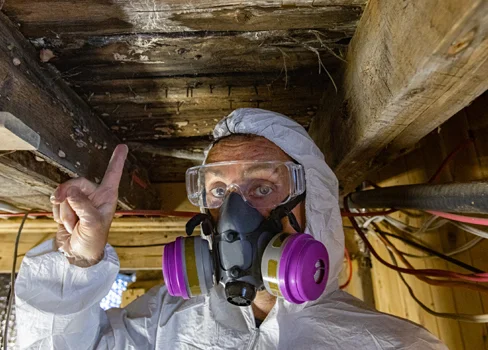
Ever peel back a piece of your home—maybe a wall, a floorboard, or a ceiling tile—and find something wet, moldy, or just plain gross? You’re not alone. Moisture has a sneaky way of creeping into places it shouldn’t, and the damage is already done by the time you notice it.
But what if you could stop that mess before it even starts?
Success: Moisture barriers protect your home by blocking water and vapor from seeping into walls, floors, and foundations. They:
- Prevent mold and mildew growth
- Stop rot in wooden structures
- Increase your home’s energy efficiency
- Prolong the lifespan of building materials
- Cut down on costly repairs
We will dive into what moisture barriers are, how they work, where you need them most, and how they can save your home from severe damage you might not even see until it’s too late. Stick around—your future self (and your home) will thank you.
What is a Moisture Barrier?
One way to prevent water from penetrating an area is to use a moisture barrier, which is also known as a vapor barrier. That water can be liquid (like rain or groundwater) or vapor (like humidity).
These barriers are often made of plastic, foil, or coated paper, and they’re installed under floors, behind walls, or in crawl spaces to block moisture from getting into the building materials.
Quick Tip: If your house smells musty, even when it’s clean… You probably have a moisture problem.
Why Moisture is a Bigger Problem Than You Think
Moisture doesn’t just “get things wet.” It starts a domino effect that might stealthily destroy your house.
Here’s what can happen:
- Mold grows and spreads fast.
- Wood starts to rot.
- Drywall crumbles from the inside.
- Insulation loses its effectiveness.
- You get hit with massive repair bills.
And the worst part? Most of this happens behind the scenes. You won’t see the damage until it’s expensive.
Fact: According to FEMA, mold can grow on a damp surface within 24 to 48 hours. That’s how fast things can go downhill.
Where Moisture Barriers Work Best
Every part of your home can be vulnerable, but these spots are moisture magnets:
Table: Where to Install Moisture Barriers
| Area of the Home | Moisture Threat | Recommended Barrier Type |
| Crawl spaces | Ground moisture rise | Heavy-duty plastic sheeting |
| Basement walls | Groundwater seepage | Waterproof coatings or foil sheets |
| Attics | Condensation | Vapor-retardant insulation layers |
| Bathroom walls | Steam and leaks | Moisture-resistant drywall + paint |
| Under flooring | Ground moisture or spills | Vapor barrier underlayment |
Info: Most moisture problems start low (like in basements and crawl spaces) and rise. That’s why foundations are a priority.
How Moisture Barriers Work
Let’s break it down.
As a matter of course, moisture will migrate from high-to low-concentration regions. So if your crawl space is humid and your floor is dry, water vapor will sneak up through your floorboards like it’s got somewhere to be.
Moisture barriers block this movement. They’re installed like shields—between the ground and your floor, or between your walls and the outside air—to keep that vapor where it belongs.
Types of Moisture Barriers (and What They’re Good For)
There’s no one-size-fits-all. The kind of barrier you’ll require is situationally dependent.
1. Plastic Sheeting (Polyethylene)
Used in crawl spaces and under slabs. Super tough. Usually 6 to 20 mil thick.
2. Liquid-Applied Barriers
Roll or spray these onto walls. They dry into a waterproof layer. Great for basements.
3. Foil-Backed Insulation
Works in attics and walls. Reflects heat and blocks moisture. Double duty.
4. House Wrap (e.g., Tyvek)
Wraps around the outside of your house. It keeps out rain and lets water vapor escape.
5. Floor Underlayment
Goes under laminate or hardwood flooring. Stops moisture from coming up through the concrete.
Danger: Installing the wrong type of barrier—or installing it incorrectly—can trap moisture inside your walls. That means more mold, not less.
Signs You Might Need a Moisture Barrier
Not sure if your home needs one? Look for these red flags:
- Your basement smells musty.
- Your wood floors are warping or cupping.
- You’re constantly dealing with mold in your bathroom.
- Paint is peeling or bubbling on your walls.
- You see condensation on windows… from the inside.
Suggestion: Your nose knows. A musty smell is often your first (and only) warning sign.
What Happens If You Don’t Use One?
Let’s just say… it gets ugly.
- Mold remediation isn’t cheap.
- Replacing wood rot means tearing out floors or walls.
- Insulation can become useless when wet.
- Your indoor air quality drops—bad news if anyone in the house has asthma or allergies.
Think of moisture barriers as insurance. They’re not flashy, but they save you from massive costs later.
Warnings: The average cost to repair water damage is $3,000 to $7,000—and that’s if you catch it early. Mold removal? Add another $2,000 to $6,000.
DIY or Call a Pro?
Some barriers are simple DIY jobs. Others? Not so much.
When you can DIY:
- Laying plastic sheeting in your crawl space.
- Installing underlayment before you lay new floors.
- Applying waterproof paint in the basement.
Call in the pros when:
- There’s already visible mold or rot.
- You’re dealing with a large basement or full-home project.
- You’re unsure where the moisture is coming from.
Quick Tip: Don’t seal in the problem. If there’s mold or moisture already there, fix that first, then install the barrier.
How to Maintain Your Moisture Barriers
Good news: moisture barriers don’t need a ton of maintenance. But they’re not “set it and forget it” either.
What you should do:
- Check the crawl space plastic once a year for tears.
- Look for signs of condensation in attics and basements.
- Make sure your gutter system is pushing water away from your foundation.
- Keep vents unblocked—especially in crawl spaces and attics.
- Inspect the flooring underlayment if you have any water spills.
Success: Small checks now = significant savings later. A $20 patch kit is much cheaper than $5,000 in repairs.
Conclusion
Moisture damage isn’t just gross—it’s expensive, sneaky, and often invisible until it’s too late. But moisture barriers are like invisible armor for your home. They quietly do their job 24/7, blocking water and vapor from entering places they shouldn’t.
And the best part? Once they’re in, they work for years. One solid install can save you thousands in repairs and keep your home cleaner, safer, and sturdier.
Whether you’re patching up your crawl space or doing a complete remodel, don’t skip the barrier. Your future self (and your wallet) will be seriously grateful.
—
Restorable Solutions Mold Removal LLC
FAQ
What is the difference between a moisture barrier and a vapor barrier?
They’re often used interchangeably, but technically, a vapor barrier blocks vapor only, while a moisture barrier blocks liquid water and vapor.
Can I use a moisture barrier in my bathroom?
Yes. It’s a great idea behind tiles and under floors, especially in showers and around bathtubs.
How thick should a crawl space moisture barrier be?
A minimum of 6 mil, but 10–20 mil, is better for durability, especially if you use the space for storage.
Do moisture barriers prevent mold?
Yes, indirectly. By keeping moisture out, they take away the environment in which mold needs to grow.
How much does it cost to install a moisture barrier?
It depends. DIY crawl space barriers can be under $200. Full professional installs in basements can range from $1,000 to $5,000 or more.